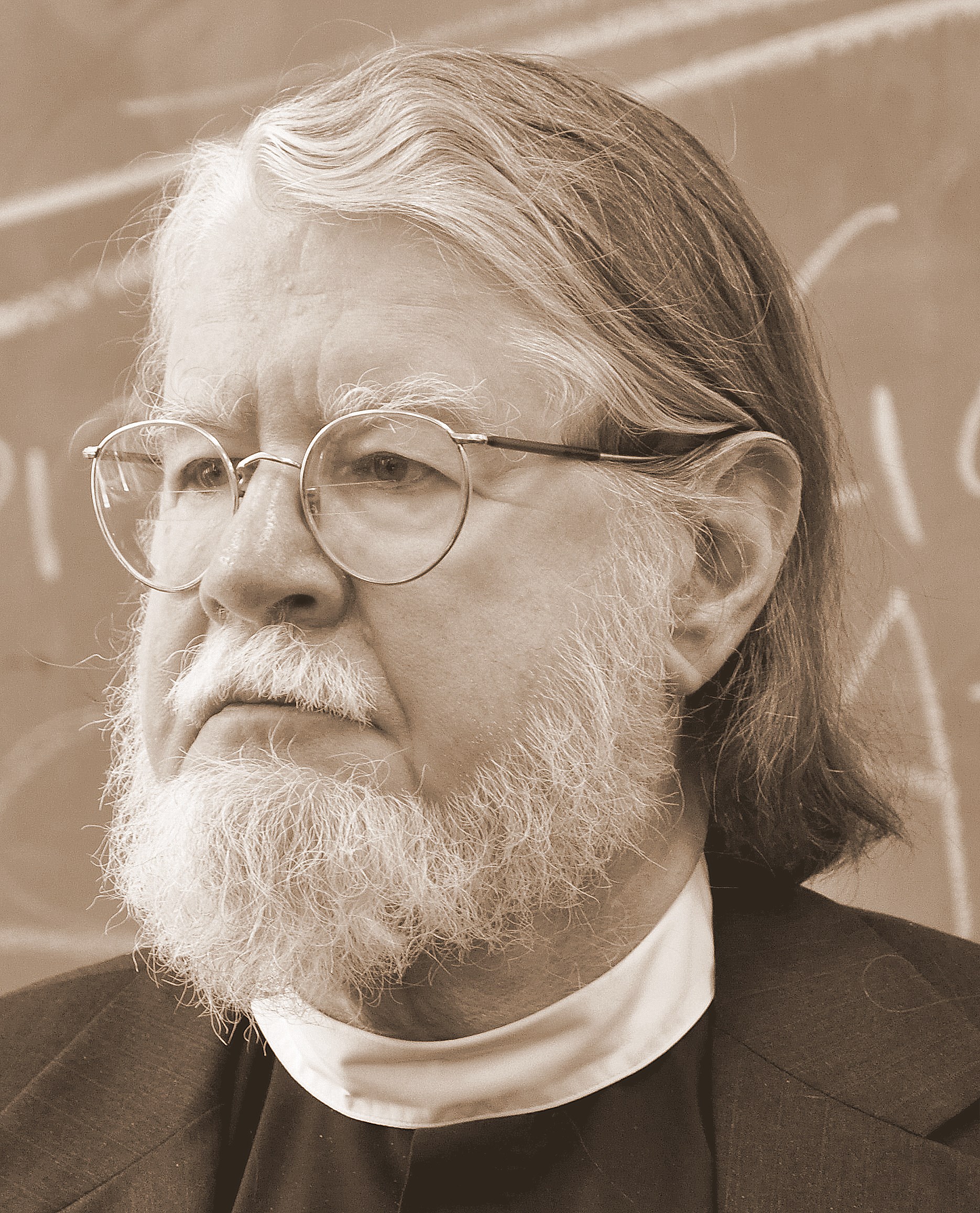
John Webster's editorial in the new issue of IJST has me a bit depressed. In it he discusses the conditions in which theological intelligence is most likely to thrive. His first point is that it is likely to flourish when it understands its vocation as "contemplative and apostolic", contemplative in that addresses itself to the deep things of God and apostolic because it commends these things to others - no problem there. Second, the whole enterprise of Christian theology is enhanced when it attracts godly and intellectually gifted people to its pursuit - no problem there either.
Its in points three and four I get bummed out.
Third, Christian theology flourishes when in some measure it enjoys favourableThose of us who have made the sacrifice to leave our normal lives and go to a theological school are blessed (if it is a good school) to temporarily live in a situation that satisfies this condition. I can attest that in Aberdeen we are abundantly blessed with a situation in which academic, spiritual and social life intertwine in an almost Edenic situation for theological pursuit. We read and think and write and talk (some of us even pray) all the live-long day. Those who have gone through this training for the spiritual life of the mind/intellectual life of the spirit and have returned to the real world have made, as Webster notes, "little apparent impact", no sales-record-breaking books, no mega-church ministries. Usually guys like us go into rather humble academic teaching or church ministry jobs. The question is whether we will be able to foster similar intellectual situations when we leave the academy and go back into the real world. Those of us who get university jobs won't have this problem, but those of us who go back to our homes and churches have this question in front of us: Will the insights we have gained and the patterns of reflection we have developed in our theological study benefit the life of the church for whom we toil, or will it all be filtered through ears who only hear the potential for church growth or other practical impact. This leads Webster's fourth point:
institutional circumstances: some particular academic or religious form of life which
is hospitable to a work of the mind with little apparent impact, some happy gathering
of minds with sufficient rapport and energy that their unique talents combine to form
something like a school. (Webster, "Editorial", International Journal of Systematic Theology, vol. 13, no. 2, p. 128)
Fourth, Christian theology flourishes when it honours and is held in honour by the Christian community. Theology is ecclesial science, a work of reason pursued (whatever its precise institutional locale) within the community of election and faith. All its inquiries ought to hold that community in high esteem, as a servant glad to be about its tasks in such a company; and that company, too, should esteem this servant and expect good things of its service. ("Editorial", p. 128)I've already alluded to my worry here: will the churches us theologians go to and serve, either as pastors or even on a volunteer lay level, welcome us as theologians, value our training and insights, be willing to hear and consider the sometimes difficult things we have to tell the church? Have Evangelical churches in America become so focused on the tangible (cars in the parking lot, butts in the pews, hands in the air, testimony of changed lives - all good things by the way) that it simply does not value the other kinds of good things theologians' service has to offer? Most of us love the church and want to serve it; the worry is that it doesn't love us and doesn't want our service.
Webster (who I should probably mention is my doctoral advisor, not that I otherwise wouldn't think he is right about everything, which he is), does go on to alleviate my depression in his fifth point which is that we get it wrong when we think these conditions are in fundamentally worse shape now than they were at some other point in history - "Theology is not exiled from its past but its future." The present is not depressing in light of the past but in light of the future in which sin is removed as an obstacle and theology is fully united to He whom it considers. The fifth condition is that we believe theology is actually possible, that in spite of the limitations imposed on us in our currently fallen context, we believe that "God is not hindered by our hindrances", that God speaks and enables us to hear and understand. On that basis, no matter what intellectual climate I find myself in in the future, I will pray with Habakkuk "I stand in awe of your deeds, O LORD. Renew them in our day, in our time make them known" (Hab 3:2), not that God would restore some notion of the past but that he would reach into the present from the future and give the church a love for himself and for thinking on the gospel greater than its present love for spectacle and novelty in his name. I pray this against my own fears that I make myself increasingly irrelevant to the church by pursuing disciplined thinking on the church's foundation.
(To get more people to be directed to this post from Google: Rob Bell, Hell, Universalism, Sex, Money, Murder - thank you).